“coffee solarization” search results (900)

Coffee processing sun-dried bean flavor Ethiopia Sidamo Sidamo Guji Shaqi
Tanning is a traditional method for the initial processing of coffee beans, and at present, almost all coffee-growing countries such as Ethiopia and Yemen still use solarization to treat raw beans. Sun treatment will first identify sunken beans in the sink, that is, ripe or half-ripe beans are spread in the drying farm for natural drying. The specific time depends on the local climatic conditions, which usually takes two to four weeks.
2016-04-14 Coffee processing way Solar beans Flavor Ethiopia Dharma Sid
Two methods for the treatment of coffee beans
There are two methods of treatment: "solarization" and "washing", which will cause different flavors.
2014-06-13 Coffee knowledge coffee bean treatment coffee encyclopedia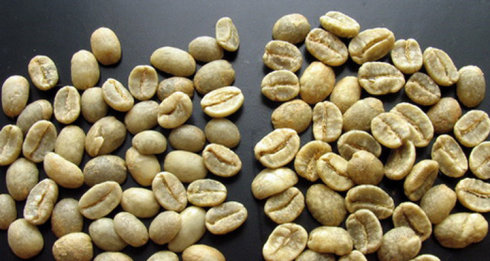
The difference between the two methods of tanning honey how to tell the difference between sunburn and sunburn is a traditional coffee.
Tanning is a traditional method for the initial processing of coffee beans, and at present, almost all coffee-growing countries such as Ethiopia and Yemen still use solarization to treat raw beans. Sun treatment will first identify sunken beans in the sink, that is, ripe or half-ripe beans are spread in the drying farm for natural drying. The specific time depends on the local climatic conditions, which usually takes two to four weeks.
2016-04-25 Insolation treatment two methods cause difference how distinction tradition solarization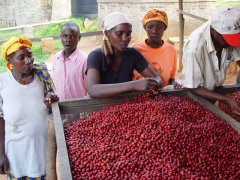
Dry treatment is also called natural all-day tanning.
Dry treatment (secado), also known as natural all-day exposure (natural). After the coffee fruit is actually picked, it is dried directly in the sun. According to the weather conditions, it is generally necessary to dry the coffee beans for 2 weeks to reduce the water content of the coffee beans to 10%, 12%, and then use a machine to remove the dried peel and pulp. The raw bean processing plant (beneficio) usually retains the parchment shell on the outside of the coffee bean when the raw bean is stored.
2016-05-23 Secado also known as natural solarization processing also known as natural solarization.
A major producing area of sun boutique coffee in Harald Oromia region
In addition to Brazilian coffee processed by tanning, Harald also uses tanning to process coffee. Unlike Brazilian coffee, Harald can give you a refreshing feeling. It has a very sharp fermented smell, similar to the aroma of wine, and has the texture of red wine. It is a very rare fine coffee processed by sun. Harald is a member of the Oromia region of Ethiopia
2015-09-01 Tanning boutique coffee Harald Rahl Oromia region one Lord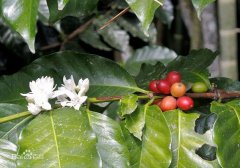
How many treatments are there for Brazilian coffee? Brazilian coffee flavor
The four most common treatment methods of Brazilian coffee are natural solarization, desizing, semi-washing and water washing, among which natural solarization is the most popular. Since the harvest seasons in Brazil's two main producing areas, Serrado Minero (CerradoMineiro) and Mogiana Paulista (Mogiana Paulista), are both dry seasons of the year, natural solarization is popular in this region.
2016-06-06 Brazil coffee how much treatment way flavor common four kinds
Coffee bean origin coffee bean planting environment
The process of natural solarization is the simplest. The fruit begins the process of sun drying without treatment after picking. This is the oldest method of treatment in existence. This method is still used in places such as Ethiopia and Brazil. Natural solarization is most common in areas where water resources are scarce. The drying process usually lasts about 4 weeks. The way to deal with it must be very
2016-05-29 Coffee beans origin planting environment nature sun this kind of treatment method process
What is the treatment of raw coffee beans? how long can raw coffee beans be stored?
Raw coffee beans can be treated by natural washing, and unroasted beans can be stored in a sealed place without direct sunlight. The fruit begins the process of sun drying without treatment after picking. This is the oldest method of treatment in existence. This method is still used in places such as Ethiopia and Brazil. Natural solarization
2016-05-24 Coffee raw beans what treatment method can store how long coffee
Introduction to the taste of Brazilian yellow bourbon caffeine brand characteristics and flavor description
Based on the monotonous climate of Brazil, Brazilian research units have developed a half-sun method to shorten the processing time. After removing the pulp, the coffee fruit will be exposed to the pectin-coated pods for one to three days, and then machine-dried to a moisture content of 12%, which can be put into a storage container. The Brazilian half-sun method greatly shortens the work time (the traditional sun method takes two to three weeks), and also reduces coffee bean dyeing.
2016-10-24 Brazil Yellow bourbon Curry beans Brand characteristics Flavor description treatment Taste introduction
The difference in coffee flavor between sunburn and washing of coffee beans lies in where is the difference.
What is the difference between the coffee flavor of coffee beans by tanning and washing? a brief introduction to the treatment of raw coffee beans; tanning is a traditional method of primary processing of coffee beans. At present, ancient coffee bean-growing countries such as Ethiopia and Yemen still use solarization to treat raw beans. Sun treatment will first identify the sunken beans in the sink, that is, ripe or half-ripe beans.
2016-10-20 Coffee beans sun exposure washing coffee flavor the difference is where what different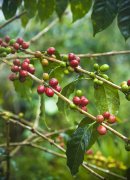
Brazilian Green Coffee Processing Craft Coffee Green Coffee Merchant American Fine Coffee
The four most common treatments for Brazilian coffee are sun, desizing, half-washing and washing, with sun being the most popular. Since the harvest seasons of Cerrado Mineiro and Mogiana Paulista, Brazil's two main producing areas, are both dry seasons of the year, natural solarization is common in this area.
2016-06-24 brazil coffee green beans processing craft americas fine common
Chateau Hope Chateau, Cauca, Colombia, Solar treatment geisha / Rosa Geisha
Ten years ago, most coffee farms in Colombia went all out to sprint production, and when the government advocated the cultivation of high-yield beans with strong disease resistance and discouraged good flavor but low yield, it was hoped that the manor would resolutely embark on the long road of fine coffee. The opportunity that the manor was expected to see at that time was Geisha (also known as a geisha). The Emerald Manor of Panama has rediscovered the rose summer in the garden.
2016-05-05 Columbia Cauca Valley Hope Manor Sun processing Arts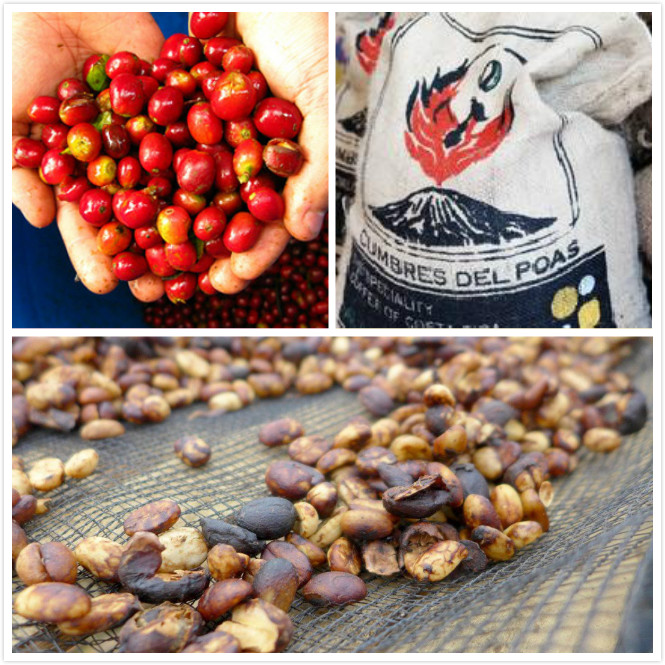
How to treat green coffee beans? Sunlight treatment Ethiopia Sunlight Ye Jia Xue Fei Ye Jia Xue Fei G1
Solarization is a traditional method of primary processing of coffee beans, and ancient coffee growing countries such as Ethiopia and Yemen still use solarization almost exclusively for raw beans. Sun-drying begins by spreading tank-identified beans, ripe or semi-ripe, on a drying ground. The exact time depends on local climatic conditions, and generally takes two weeks to four weeks.
2016-04-25 coffee green beans processing method sun ethiopia yega sherry
Brazilian coffee beans processing Brazilian coffee green beans wholesale coffee beans American coffee beans
The four most common treatments for Brazilian coffee are sun, desizing, half-washing and washing, with sun being the most popular. Since the harvest seasons of Cerrado Mineiro and Mogiana Paulista, Brazil's two main producing areas, are both dry seasons of the year, natural solarization is common in this area.
2016-07-08 Brazil coffee beans processing way coffee green beans wholesale America
Processing methods of high-quality coffee technology coffee raw beans
Dry treatment (secado), also known as natural all-day exposure (natural). After the coffee fruit is actually picked, it is dried directly in the sun. According to the weather conditions, it is usually necessary to dry the coffee beans for 2 weeks, so that the water content of the coffee beans is reduced to 10%. Then the machine is used to remove the dried peel and pulp. Raw bean processing plant (beneficio) usually keeps the outside of coffee beans when raw beans are stored.
2014-12-11 Boutique Coffee Technology Raw Bean processing treatment method secado
Brazilian coffee green beans processing technology American coffee beans honey processing commercial Brazilian beans green beans
The four most common treatments for Brazilian coffee are sun, desizing, half-washing and washing, with sun being the most popular. Since the harvest seasons of Cerrado Mineiro and Mogiana Paulista, Brazil's two main producing areas, are both dry seasons of the year, natural solarization is common in this area.
2016-06-28 Brazil Coffee Green beans Processing Craft Americas Coffee beans Commercial
Two methods for the treatment of coffee beans
After harvest, the fruit must immediately enter the treatment process, otherwise it will begin to ferment, making coffee beans have a bad smell. There are two methods of treatment: solarization and water washing, which will cause different flavors. Sun-dried beans have a complete natural mellow flavor, gentle aroma and more gum; the washing law has a good mellow taste, a high aroma and a certain sour taste. The mellow taste is strong
2014-11-08 Coffee knowledge coffee common sense coffee bean processing
The method of taking beans in the sun for the primary processing of coffee beans
Tanning is a traditional method for the initial processing of coffee beans, and at present, almost all coffee-growing countries such as Ethiopia and Yemen still use solarization to treat raw beans. Sun treatment will first identify sunken beans in the sink, that is, ripe or half-ripe beans are spread in the drying farm for natural drying. The specific time depends on the local climatic conditions, which usually takes two to four weeks.
2014-11-22 Coffee knowledge coffee bean processing solarization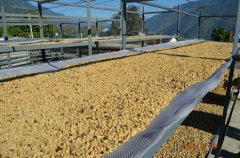
Introduction to the treatment of raw beans-- what is the sun treatment? How to deal with it
Solarization-the oldest bean-producing countries, Ethiopia and Yemen, almost all use the sun to get beans, take out the red fruit and half-green and half-red fast-ripening fruit that have sunk to the bottom of the trough, and spread them in a bean drying farm for natural drying. The time depends on the weather. It takes about two to four weeks to reduce the water content of the coffee beans in the fruit to 12% and harden, and then use a sheller to remove the stiff pulp and
2016-03-30 Raw beans treatment methods introduction solarization what how sunburn
Brief introduction of main producing areas of Ethiopian Coffee
Hara (Harar) / Solar or dried (Sundried/Dry-Processed) Hara is located in the Eastern Highlands of Ethiopia (Harerge Province) and grows between 5000 and 7000 feet above sea level. It was still wild on slopes a century ago. Most of the raw beans are medium size and have long tips at both ends, with a yellowish or golden green color and strong chocolate when baking.
2016-04-30 Ethiopia Coffee main producing area profile Hara Harar Solar